
Designing With Fire: What Top Designers Are Prioritizing in 2026 - Fireplace Edition
A fireplace has always been the room’s center of gravity. What’s changed in 2026 is how much weight designers are putting on the mantel itself. It’s no longer treated as trim around an insert. It’s being specified like architecture, proportion, material and finish, are all considered part of the room’s structure, not an accessory bolted onto the wall.
We looked at what designers and fireplace specialists are actually prioritizing this year, and a handful of priorities keep showing up.

1. Architectural Shape Over Decoration
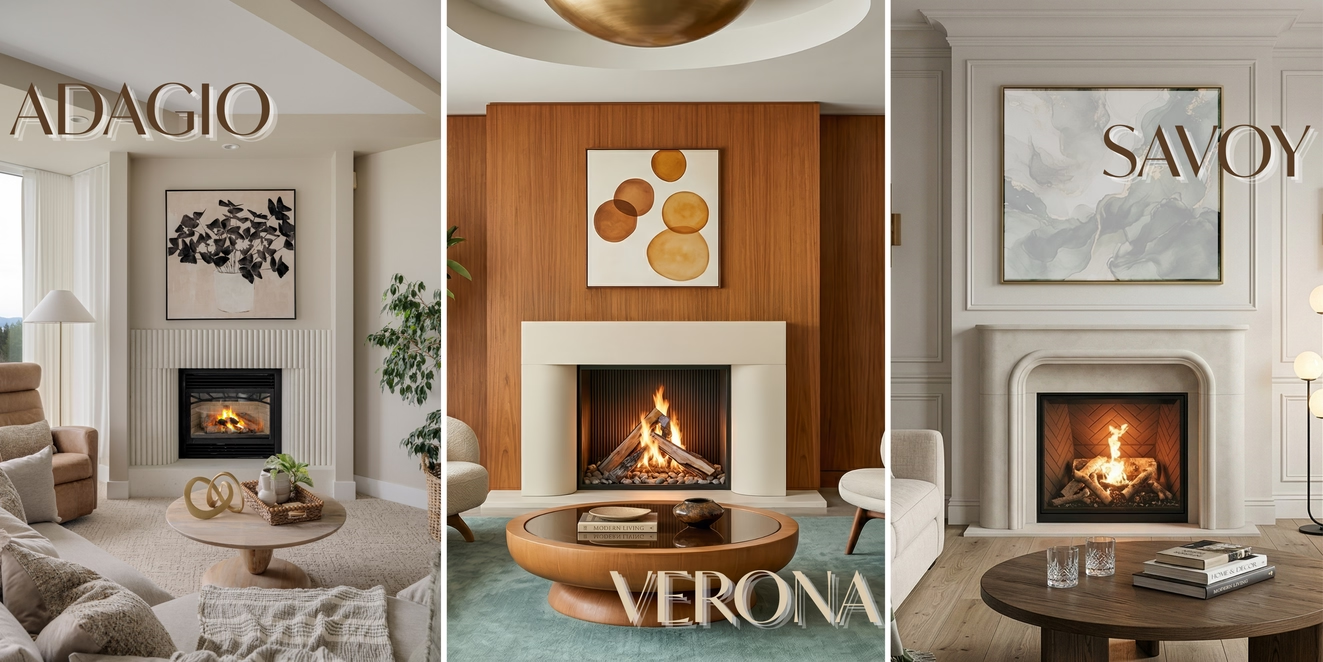
Fussy, heavily carved surrounds are giving way to cleaner architectural forms this year. Fluted columns, tiered profiles, and reeded detail are replacing applied moldings and busy trim work. The shape itself carries the design, so there’s less need for extra ornamentation layered on top.
This is a big part of why tiered, symmetrical designs like DreamCast’s Adagio, Verona and Savoy mantels are gaining traction. Their stepped profiles create visual interest through structure rather than applied detail, which reads as more current and, frankly, ages better than heavily ornate surrounds.
If you’re comparing shapes for your own project, it’s worth browsing the full mantel collection to see how a fluted, tiered, or minimalist linear profile changes the feel of a room before you commit to one.
2. Material Durability Is Now a Design Requirement, Not an Afterthought
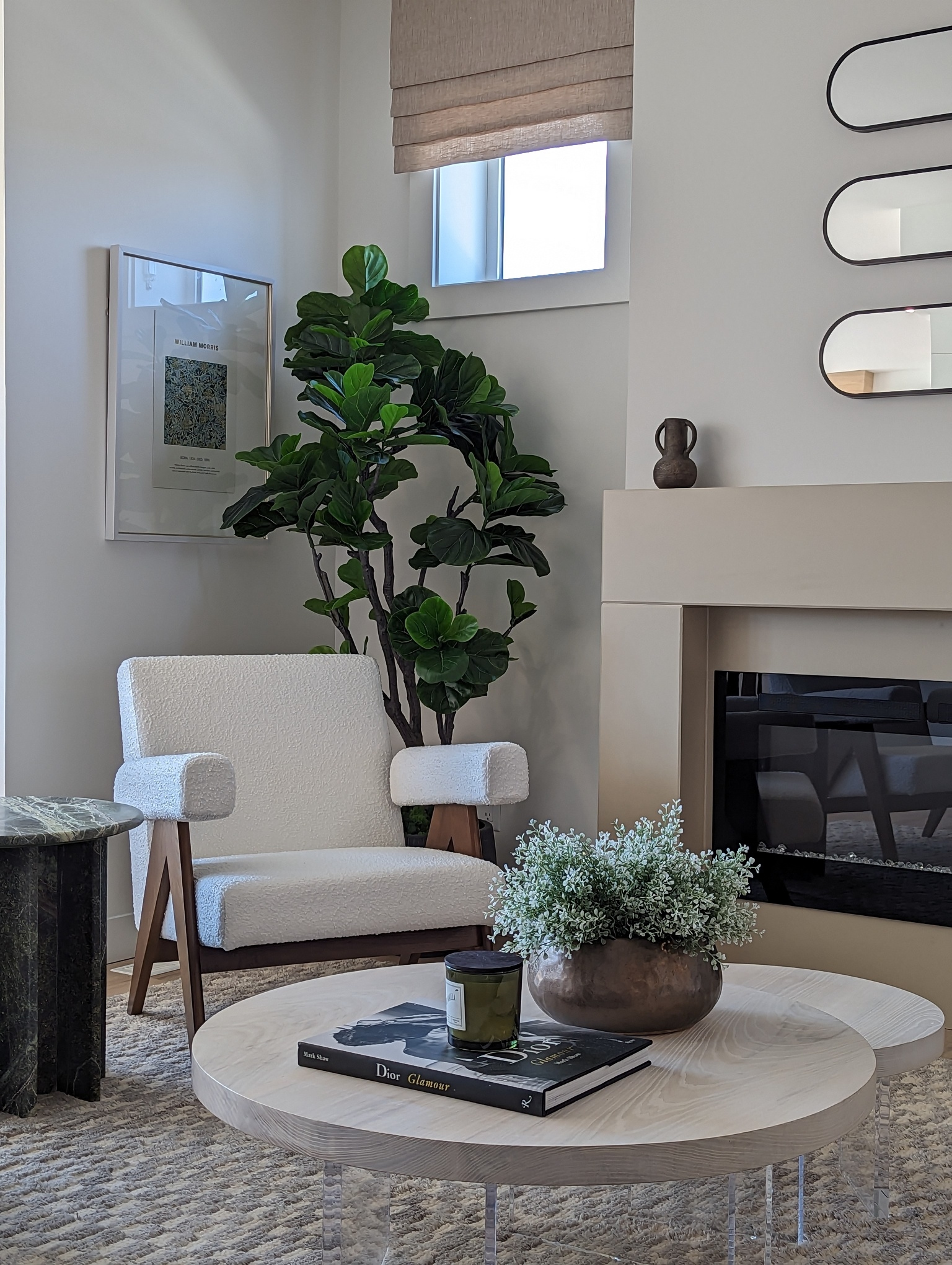
Designers are specifying high-performance concrete for fireplace surrounds at a higher rate than any other material this year, and for good reason. Concrete resists cracking, holds its color without fading, and can last decades with almost no upkeep. Compare that to wood surrounds, which can warp, discolor, or crack near sustained heat within a few seasons.
DreamCast mantels are built with a three-layer system: a structural concrete core for strength, a refined face coat for surface definition, and a protective sealer for long-term performance. That construction is what keeps a fluted or tiered profile sharp for years rather than just for the first season. You can compare finishes directly against your own walls and flooring by ordering colour samples before you order the full mantel.
3. The Mantel Has to Do More Than Frame the Fire
Designers aren’t treating the mantel as a standalone frame anymore. It has to work with the rest of the wall, whether that’s a media unit built into the surround, a double-sided design connecting two rooms, or a mantel top wide enough to actually hold décor rather than just look good empty.
Double-sided mantels have picked up real momentum this year for exactly this reason. A well-designed surround here becomes a visual bridge between a living room and a dining space, or between an indoor room and a covered patio, carrying one continuous design language instead of feeling like two separate rooms stitched together.

4. Consistency From Room to Room
One of the clearest priorities this year is continuity. Designers want a home’s material and finish language to carry from room to room instead of feeling like a series of disconnected design decisions. A concrete mantel in the living room, matched in tone to a fireplace surround elsewhere in the home, builds that sense of cohesion without requiring a full renovation.
Since DreamCast mantels share one colour and finish system across the full collection, matching a new surround to an existing one, or planning two rooms at once, is a matter of picking consistent tones rather than guessing at custom stain formulas.
5. Sustainability Without Sacrificing Look

Sustainability has moved from a nice-to-have to an actual spec requirement on many projects this year. Designers are favoring materials that last decades over materials with a green label but a short lifespan, since a mantel that needs replacing every few years carries a bigger footprint than one built to last.
High-performance concrete has a real advantage here. It’s non-combustible, doesn’t need repainting or restaining on a short cycle, and some formulations incorporate industrial byproducts like fly ash directly into the concrete mix, reducing environmental impact without changing the finished look or feel.
6. Safety and Insert Compatibility
Aesthetics matter, but designers are equally focused on function this year. A mantel needs to be rated for the insert it surrounds, whether that’s gas, wood-burning, or electric, and it needs to meet clearance requirements set by the appliance manufacturer or local building code.
This is another reason concrete has become the material of choice. It’s non-combustible and proven to withstand sustained high heat, which makes it compatible with gas and wood-burning inserts that would require far more caution around a wood or composite surround. Before finalizing dimensions, it’s worth reviewing the mantel installation guide to understand clearance and fit requirements for your specific insert.
7. Scale and Customization
No two walls have the same proportions, and designers are increasingly pushing back on one-size-fits-all surrounds. A mantel that’s too wide for a narrow wall crowds the room; one that’s too small on a large wall reads as an afterthought.
This is why custom sizing has become such a large part of mantel design this year. Whether it’s trimming a plinth to fit a wider insert or extending a surround for a taller wall, designers are treating proportion as seriously as material and finish. DreamCast’s team handles this kind of custom mantel work directly, adjusting standard designs like French Country or Verona to fit nonstandard dimensions.
Bringing These Priorities Into Your Own Project
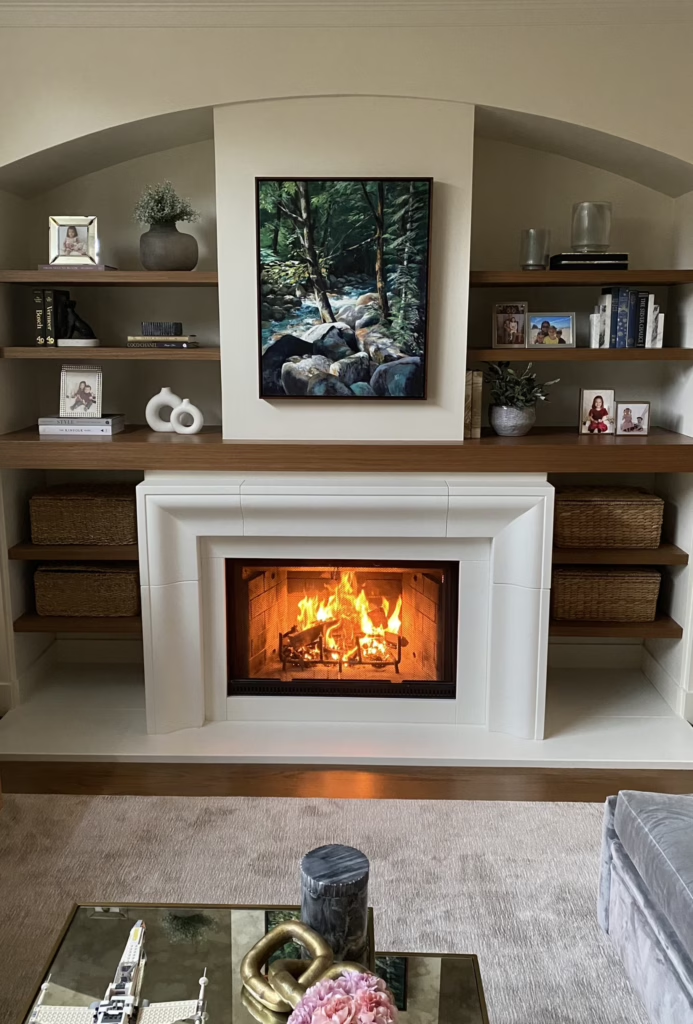
You don’t need to chase every trend to design well with fire in 2026. Start with the two things that matter most for long-term value: a shape that fits your wall and room honestly, and a material that will still look right in ten years. From there, layer in the details, matching finishes across rooms, confirming clearance for your insert type, and choosing a scale that fits the wall rather than fighting it.
For a deeper look at how this year’s mantel styles break down by category, DreamCast’s guide to mantel design trends for 2026 covers fluted, floating, and minimalist options in more detail. And if you want guidance specific to your space, the design team offers a complimentary consultation to review scale, fit, and colour before you order.
GET IN TOUCH
Still have questions about mantels?
We are happy to help you choose the perfect one!
FAQs
What fireplace mantel styles are designers using most in 2026?
Clean, architectural profiles are leading this year, particularly fluted or reeded surrounds and tiered, symmetrical designs. Heavily carved or ornate mantels are giving way to shapes that create visual interest through structure rather than applied trim.
Is concrete really better than wood for a fireplace mantel?
For durability and safety, yes. Concrete is non-combustible and resists cracking, warping, and fading near sustained heat, while wood or composite surrounds can degrade over time and often need more clearance from the firebox.
Should my fireplace mantel match other design elements in my home?
It’s not required, but designers are increasingly matching finishes and tones across rooms to build a sense of continuity, especially when a home has more than one fireplace or a double-sided design connecting two spaces.
How do I know if a mantel is compatible with my gas, wood, or electric insert?
Compatibility depends on the mantel’s material and the clearance requirements set by your specific fireplace unit and local building code. Concrete surrounds are non-combustible and generally compatible with all three insert types, but it’s worth reviewing clearance specs before finalizing dimensions.
Can I get a custom fireplace mantel if standard sizes don't fit my wall?
Yes. Most standard mantel designs can be trimmed, extended, or otherwise adjusted to fit nonstandard wall widths, taller ceilings, or wider inserts. A design consultation is the fastest way to confirm what’s possible for your specific space.
As a partner at DreamCast, she has been immersed in the decorative concrete industry since 2007, specializing in fire pits & mantels. With a passion for interior design her expertise drives innovative design and exceptional craftsmanship.


Author
Catherine Traschenko
Fire Products
Design Specialist
Author
Catherine Traschenko
Fire Products
Design Specialist